Hydration on the Bike: Why a Water Bottle Matters More Than a Carbon Frame
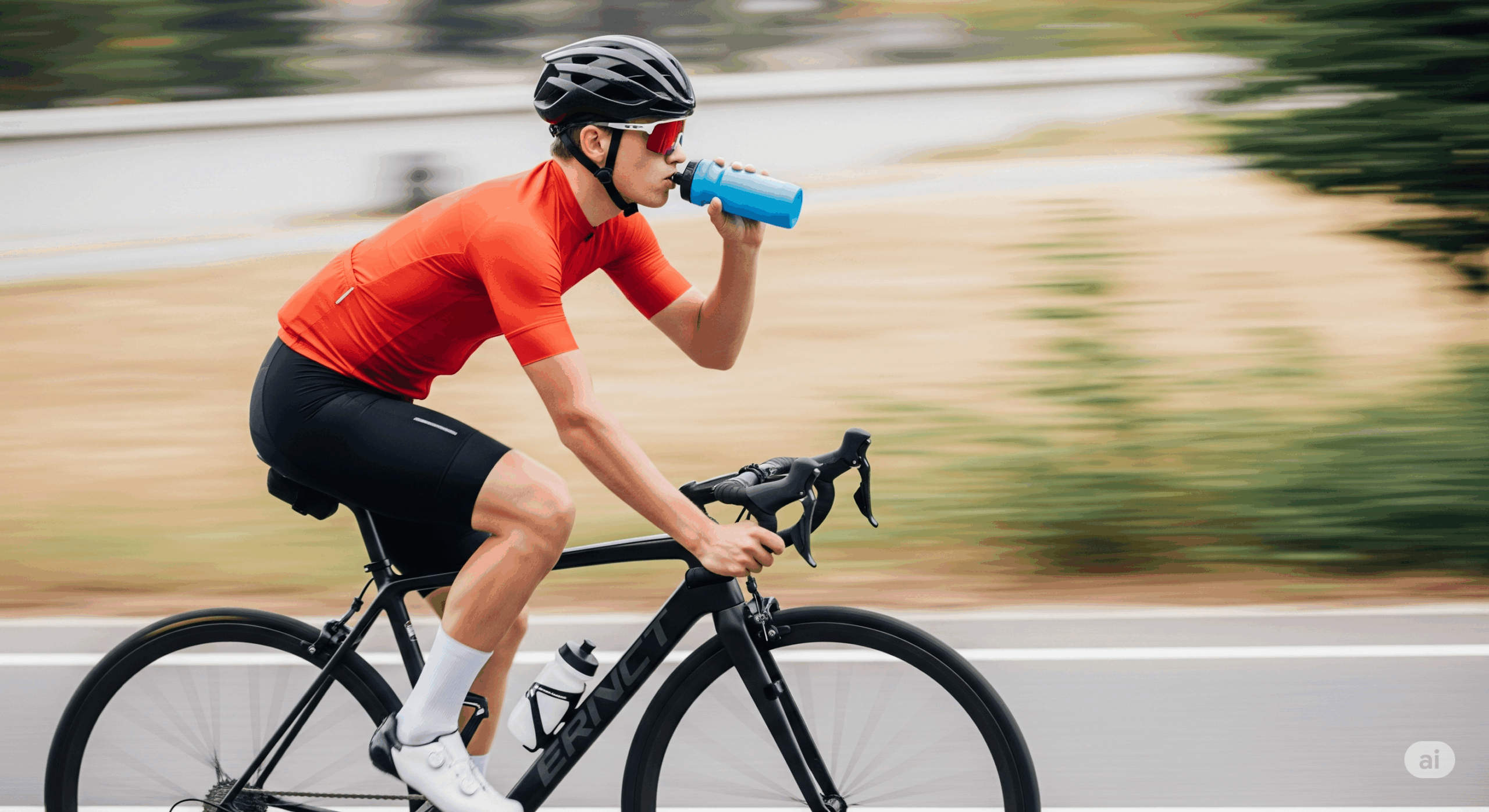
The cycling season is in full swing. We've invested in our bikes, tuned our derailleurs, bought technical clothing and a helmet goes without saying. In the hunt for better components and lower weight, however, we often forget the most important factor that determines our performance, how we feel on the bike and, not least, our health – proper hydration.
You can have the best bike in the world, but if you neglect hydration, even a short trip can turn into a struggle. Let's look at why, what, when and how to drink so that every kilometre is a pleasure.
Why is it so important? The science behind it
Our body is like an engine. During physical exertion such as cycling it heats up and needs to cool down. The main tool of thermoregulation is sweating. Along with sweat, however, we lose not only water but also key minerals (electrolytes).
Even mild dehydration (a loss of 1–2% of body weight) leads to:
- Reduced performance: The blood thickens and the heart has to work harder to deliver oxygen to the muscles. The result is a noticeable drop in strength and endurance.
- Muscle cramps: The loss of electrolytes such as sodium, potassium and magnesium is the main cause of painful cramps.
- Overheating: A lack of water reduces the ability to sweat and the body starts to overheat, which in extreme cases can lead to heatstroke.
- Reduced concentration: Dehydration also affects the brain. Coordination and the ability to react quickly get worse, which is dangerous on the road.
The treacherous feeling of coolness: The wind blowing over us while we ride feels pleasantly cooling, but it also speeds up the evaporation of sweat. We often feel that we are sweating less than we really are. This is very deceptive, which makes drinking preventively all the more important.
What to drink? Not all fluids are equal
The right drink depends on the length and intensity of your ride.
- Plain water: The ideal choice for shorter, easy rides of up to an hour. The body can manage with its own mineral and glycogen stores.
- Isotonic drink: An absolute must for rides over 60–90 minutes or any intense ride in the heat. It contains carbohydrates (a source of quick energy) and electrolytes (sodium, potassium, magnesium) that replace what we lose through sweat. Its concentration is similar to human plasma, so it is absorbed quickly.
- Hypotonic drink: It has a lower concentration of carbohydrates and ions. Its main job is rapid hydration. It is suitable for extreme heat, when replacing water is the priority.
- What to avoid: Sugary soft drinks, juices and "energy" drinks (high in caffeine and sugar) are unsuitable while riding. They cause blood sugar swings and burden digestion. Alcohol is absolutely taboo, as it dehydrates the body even more.
When and how much? The golden rules of hydration
The biggest mistake is waiting until you feel thirsty. When you're thirsty, you're already dehydrated!
- Before the ride: Start hydrated. About 1–2 hours before setting off, drink 400–600 ml of water or an isotonic drink. Take a few more sips just before the start.
- During the ride: Drink regularly and in small amounts. The golden rule is: drink 150–200 ml every 15–20 minutes. That's a few good gulps from the bottle. In hot weather the need increases – on average you should drink one 750 ml bottle per hour of intense riding.
- After the ride: Hydration doesn't end when you get off the bike. Your body needs to replace the fluids it has lost so it can recover effectively. Keep drinking plain water or have a recovery drink containing protein and carbohydrates.
Practical tips to finish
- Always carry two bottles: If your bike frame allows it, fit two bottle cages. Put an isotonic drink in one bottle and plain water in the other for rinsing your mouth or cooling down.
- Plan your route: If you're planning a longer trip, look at the map and plan stops at water sources (springs, shops, restaurants).
- Homemade isotonic drink: You don't have to buy expensive powders. You can make a simple drink by mixing 750 ml of water, a pinch of salt and 2–3 teaspoons of honey or maple syrup. Add lemon or orange juice for flavour.
Proper hydration is a science, but its basics are simple. Don't underestimate it. It will make you not only a faster but, above all, a healthier and happier cyclist. Happy kilometres!