The E-Scooter Boom and Its Risks: How to Ride Safely in Our Cities
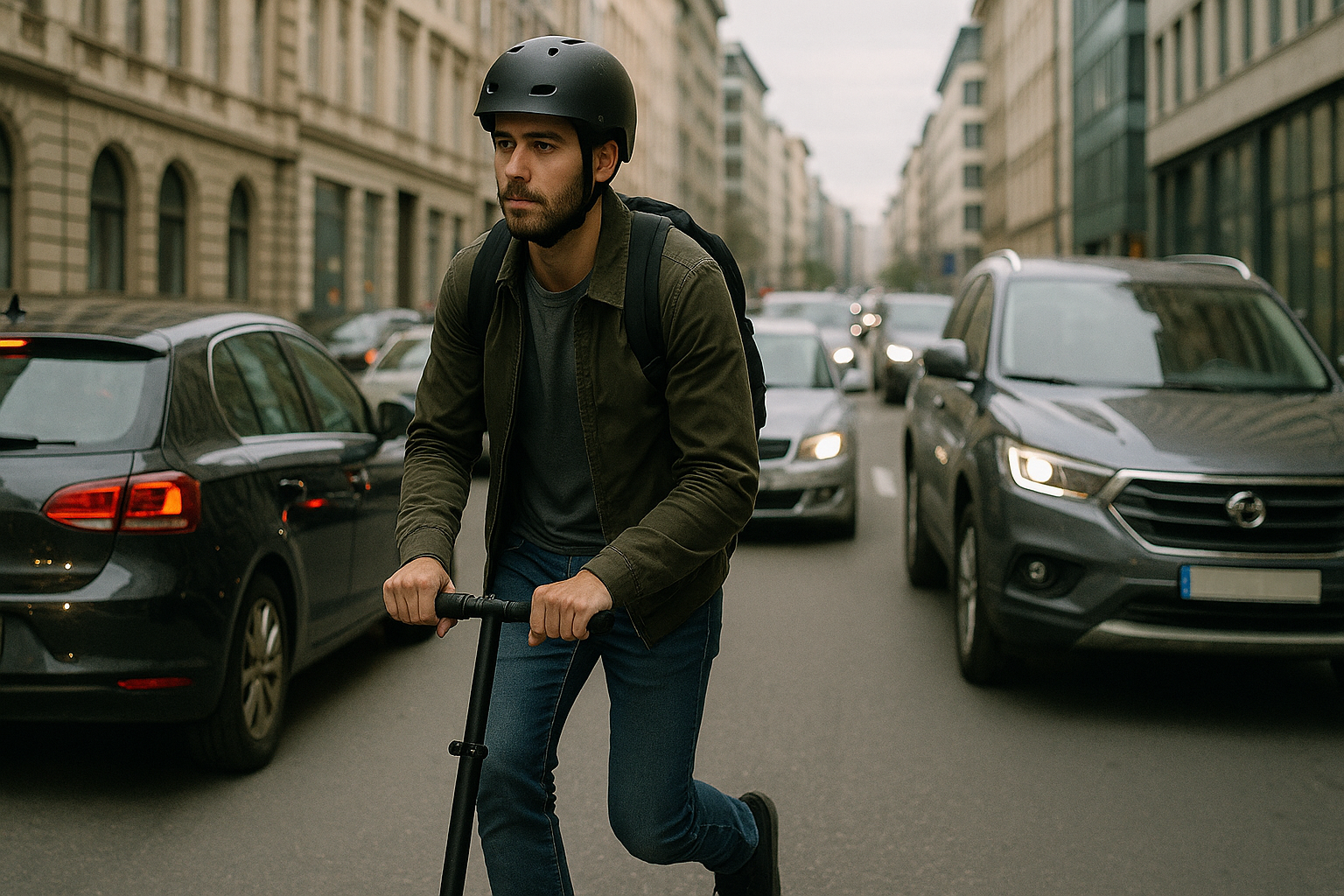
Electric scooters have flooded Slovak cities and become a symbol of modern urban transport. They are fast, convenient and eco-friendly. With growing popularity, however, the number of accidents and injuries inevitably rises too. This trend may seem worrying, but it is nothing new. Bicycles and cars went through a similar development in the past.
Instead of condemning scooters as dangerous, it is important to understand why accidents happen and how we can effectively prevent them. With a responsible approach we can minimise the risks and keep enjoying all the benefits this form of mobility brings.
Why are we hearing about accidents more and more often?
The rise in scooter accidents is a natural consequence of their mass adoption. Whenever a new means of transport becomes available to the general public, there is a temporary statistical increase in incidents. This is linked to three key factors:
- Rider inexperience: Many people jump on a scooter without any previous experience or knowledge of the traffic rules.
- Unsuitable infrastructure: Our cities are still not fully prepared for this type of transport and safe, separated cycle paths are often missing.
- More media coverage: Accidents are better monitored and reported today, which can create the impression that they are more frequent than they really are.
The 5 most common causes of accidents and how to avoid them
Most injuries are not caused by the scooter itself, but by the human factor, the environment and the condition of the machine. Let's look at the most common ones.
1. Inexperience and not knowing the rules
Riding a scooter may seem intuitive, but it takes practice. Sudden braking, sharp turns or avoiding obstacles can easily catch an inexperienced rider by surprise.
How to minimise the risk:
- Invest in learning: Before heading into busy traffic, practise in a safe place such as an empty car park. Try braking, turning and balancing. Watch online videos and tutorials showing the right riding technique.
- Follow the traffic rules: Scooter riders follow the same rules as cyclists. Ride on the cycle path and, if there isn't one, on the right-hand side of the road. Respect traffic lights and signs and give way to pedestrians.
2. Inadequate or missing infrastructure
Riding in mixed traffic with cars or on pavements among pedestrians is one of the riskiest situations. A collision with a car can be fatal, and endangering pedestrians is unacceptable.
How to minimise the risk:
- Plan your route: Use existing cycle paths, even if it means a small detour. Avoid main roads with heavy traffic.
- Be predictable: Ride smoothly without sudden changes of direction. Use hand signals to indicate turns, just like cyclists.
3. Underestimating safety gear
The most serious scooter injuries are head injuries. Many of them could be reduced or prevented entirely by wearing a helmet.
How to minimise the risk:
- A helmet is a must: Wearing a helmet should be an absolute matter of course on every ride, no matter how short.
- Other protective gear: Consider knee and elbow pads too, especially if you are a beginner or plan to ride on rougher terrain.
- Be seen: Use lights and reflective elements, especially in poor visibility.
4. A neglected scooter
A fault on the scooter while riding, such as brake failure or a puncture, can lead to a dangerous situation.
How to minimise the risk:
- Keep the scooter in good condition: Do a quick check before every ride. Do the brakes work? Are the tyres inflated enough? Do the lights work?
- Regular maintenance: Regularly check and tighten loose bolts on the handlebars and folding mechanism. Keep the scooter clean, especially its moving parts.
5. Riding under the influence of alcohol or drugs
This is one of the most dangerous and irresponsible scenarios. Alcohol and drugs dramatically slow reaction times and impair coordination, balance and the ability to judge situations correctly. On a scooter, which requires constant concentration, this is extremely dangerous not only for you but also for those around you.
How to minimise the risk:
- Zero tolerance: The rule is simple and uncompromising. If you have drunk alcohol or taken any drugs, don't get on a scooter. It is not only dangerous but also illegal.
- Choose another option: Take a taxi or public transport, or walk. Risking your life and health (and other people's) for a short ride isn't worth it.
The future lies in cooperation and responsibility
The growing number of injuries is not a reason to panic, but a call to action. Safety on electric scooters is a shared responsibility.
- Riders must be considerate, know the rules, protect themselves and look after the condition of their machine.
- Cities and municipalities must keep building safe, high-quality infrastructure.
- Manufacturers keep innovating and bringing new safety features such as better brakes, lighting and systems that limit speed in pedestrian zones.
Electric scooters are a valuable part of modern mobility. If we treat them with respect and responsibility, they can be a safe, efficient and eco-friendly way to get around our cities.