Homemade "Rocket Science": Mix Your Own Energy and Isotonic Drinks for the Bike
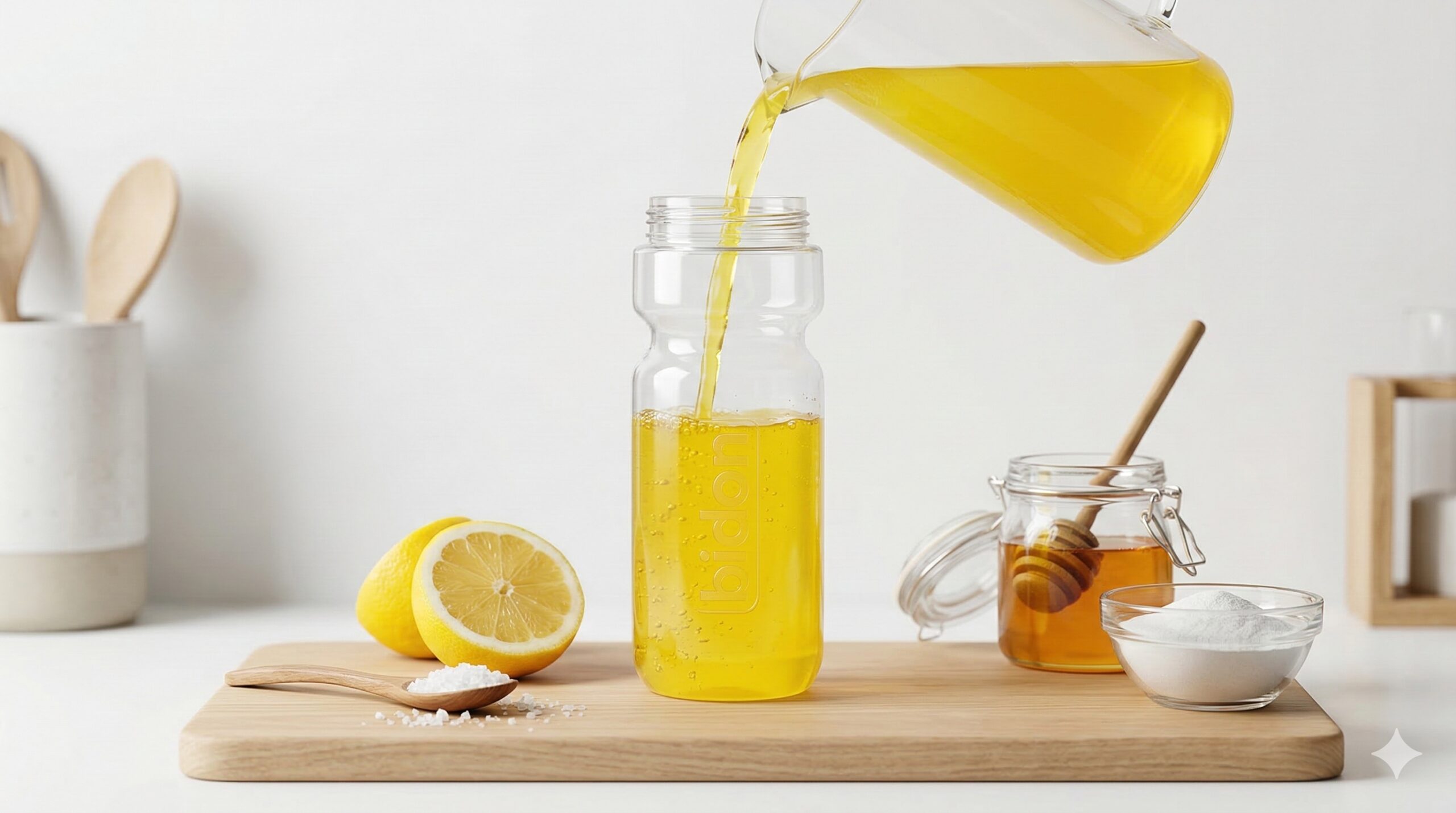
Every cyclist knows it. The sun is blazing, the kilometres add up and your energy is slowly but surely running out. At that moment, proper hydration and refuelling are key not only to better performance but also to enjoying the ride. Commercial sports drinks are a great choice, but why not try making your own, exactly to your taste and needs? It's easier than you think – and you'll save money too!
Why isn't plain water enough?
On a longer, more intense ride your body loses not only water through sweat, but also important minerals called electrolytes (mainly sodium and potassium). At the same time it burns its glycogen stores – the main source of energy for your muscles. This is where special drinks come in that can effectively replace these losses.
Isotonic vs. energy drink: what's the difference?
- Isotonic drink: Its main job is rehydration. It quickly replaces fluids and electrolytes lost through sweat. It contains a smaller amount of carbohydrates (sugars) and is ideal for most training sessions and rides of up to two hours.
- Energy drink: As the name suggests, its main aim is to provide energy. It contains a higher concentration of carbohydrates and is suitable for long, demanding rides (over 2–3 hours) or when you feel you're running out of steam.
About the ingredients: the building blocks of your drink
When making sports drinks, keep in mind that besides ions your body also needs energy. That is why, alongside ingredients rich in minerals, it is important to include ones containing sugars that the body can quickly turn into energy. None of these homemade ion drinks should therefore be without the following ingredients.
- Coconut water: The water from coconuts is a natural isotonic drink whose composition is very similar to blood plasma. It contains a range of vitamins and minerals, including potassium, sodium, magnesium, phosphorus and calcium. It also contains trace elements, amino acids, enzymes and antioxidants, and it is gentle on the stomach.
- Honey: Contains minerals and simple sugars that your body can easily turn into energy.
- Sea salt: Supplies the body with sodium and chloride ions.
- Citrus juice: Contains vitamins, enzymes and easily digestible sugars that help maintain energy during exercise and aid recovery.
Homemade isotonic drink recipes: quick hydration
1. The classic citrus "isotonic"
A refreshing, proven classic that never disappoints.
Ingredients (for a 750 ml bottle):
- 500 ml clean water
- 250 ml fresh orange or grapefruit juice
- 1 tablespoon honey or maple syrup
- A pinch of good-quality salt (approx. ¼ teaspoon)
Method: Mix all the ingredients thoroughly in the bottle until the honey and salt have completely dissolved. Best served chilled.
2. Coconut and lime rehydration drink
Coconut water is a natural source of electrolytes, especially potassium.
Ingredients (for a 750 ml bottle):
- 400 ml clean water
- 350 ml unsweetened coconut water
- Juice of one lime
- A pinch of salt
Method: Simply combine all the ingredients in the bottle and shake well. The lime gives the drink a refreshing taste.
Homemade energy drink recipes: fuel for your muscles
1. The date "kick-starter"
Dates are a natural energy bomb full of fast sugars.
Ingredients (for a 750 ml bottle):
- 600 ml water or cooled green tea
- 4–5 dried dates (pitted) or 1–2 tablespoons date syrup
- Juice of one orange
- A pinch of salt
Method: If you are using whole dates, blend them with the orange juice and some of the water until smooth, then add the rest of the water and the salt. If you are using syrup, just mix all the ingredients and shake well in the bottle.
Bonus: whole dates vs. date syrup – which is better?
- Whole dates are more nutritious. They contain fibre, which ensures a steadier release of energy, and more micronutrients. You do need a blender, though.
- Date syrup is extremely convenient. It dissolves perfectly and is ideal if you're in a hurry. Its sugars are absorbed slightly faster.
Recommendation: If you have time and a blender, use whole dates. If you need a quick and easy solution, date syrup is a great alternative.
2. A maltodextrin drink for maximum performance
For those who are really serious about performance. Maltodextrin is a complex carbohydrate that provides a steady supply of energy without burdening the stomach.
Ingredients (for a 750 ml bottle):
- 700 ml water
- 40–60 grams of maltodextrin powder (available in sports nutrition shops)
- Juice of half a lemon (for flavour)
- ¼ teaspoon salt
Method: Gradually add the maltodextrin to the bottle of water, shaking as you go to prevent lumps. Add the lemon juice and salt and mix well again.
Final tips
- Test in training: Never try a new drink for the first time in a race. Find out how your body reacts to it.
- Drink regularly: Don't wait until you feel thirsty. Take small sips every 15–20 minutes.
- Be creative: Don't be afraid to experiment with flavours. Try adding mint, ginger or other fruit juices.