The Secret of Long Battery Life: How to Look After the Heart of Your E-Scooter and E-Bike
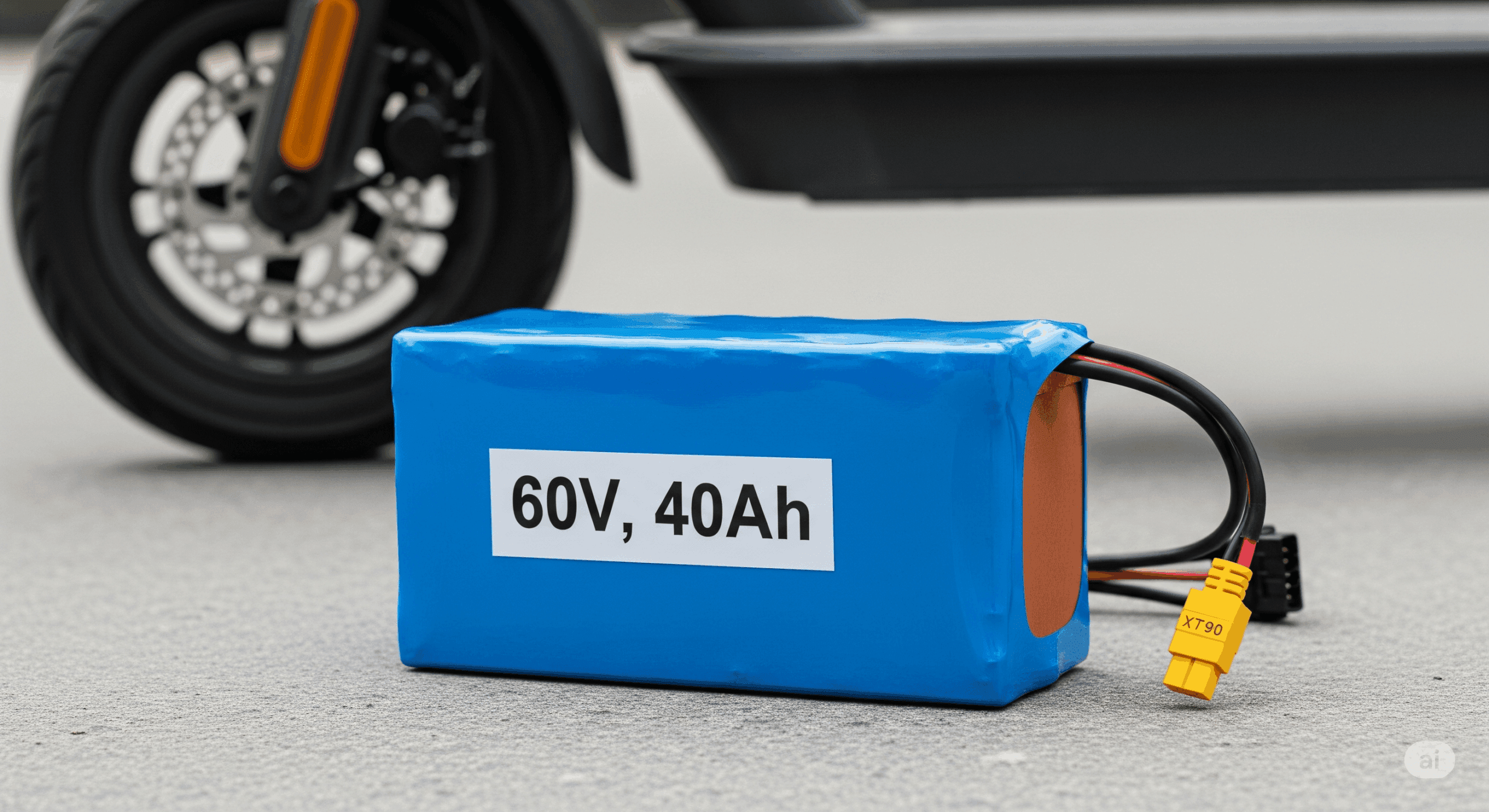
The battery is the most expensive and most sensitive part of your electric scooter. Its life isn't measured in years but in charge cycles, and how you look after it has a direct impact on its capacity, range and overall lifespan. With poor care you can ruin it in a single season. With the right habits, however, you can keep it in great condition for many years.
Here are proven tips and tricks to get the most out of your scooter's battery.
1. Change your charging habits: less is sometimes more
The biggest myths concern charging. Forget the old rules for old types of batteries. For modern lithium-ion (Li-ion) batteries the following applies:
- The golden 20–90% rule: The battery is under the least stress when its charge level stays within this range. Constantly charging to 100% and discharging to 0% puts unnecessary stress on it and speeds up its degradation. For everyday riding, try to stay within this ideal band.
- Full charge only before a long ride: Of course, if you are planning a long trip and need maximum range, charge the battery to 100%. Just don't do it every time if you don't need to.
- Partial charging is welcome: Feel free to charge the battery even after a short ride, for example from 50% to 80%. Partial charges are much gentler on the battery than full cycles.
- Don't leave it on the charger: Although modern chargers have a cut-off, don't leave the scooter plugged in for hours after it is fully charged.
2. Temperature: best friend and worst enemy
Li-ion batteries are sensitive to extreme temperatures.
- Heat destroys: High temperatures (e.g. in direct sunlight or in a hot car) are poison for the battery. They speed up the chemical processes that lead to a permanent loss of capacity. Always park your scooter in the shade and store it in a cool place.
- Frost reduces performance: In cold weather the battery's capacity drops temporarily and your range will be shorter. That's normal. What is dangerous, though, is charging a frozen battery. If you bring the scooter in from freezing temperatures, let it acclimatise to room temperature for at least an hour before plugging in the charger.
3. Long-term storage (e.g. over winter)
Storing the battery correctly out of season is key to it surviving until spring in good shape.
- The ideal charge level is 50–70%: Never store the battery fully charged or completely flat. A charge level of around 60% is the most stable for its chemistry and puts the least stress on it.
- Dry and cool: Store the battery (ideally removed from the scooter) in a dry place at around 10–20 °C.
- Regular checks: Check the charge level every 1–2 months. If it drops below 30%, top it up briefly to bring it back into the ideal 50–70% band.
4. Your riding style matters
How you ride has a direct impact on the load on the battery and its lifespan.
- Ride smoothly: An aggressive "full throttle – full brake" style puts an extreme load on the battery and significantly shortens its life. Smooth riding and anticipation are much more efficient.
- Mind your tyres: Correctly inflated tyres have lower rolling resistance, which means less strain on the motor and battery. Check the pressure regularly.
- Weight and terrain: Riding up steep hills or with a heavy backpack demands more energy from the battery. Avoid unnecessary load where possible.
Looking after your battery isn't complicated. It's a set of small, regular habits that can make a huge difference. With the right approach, the heart of your scooter will keep beating strongly and reliably for many years.