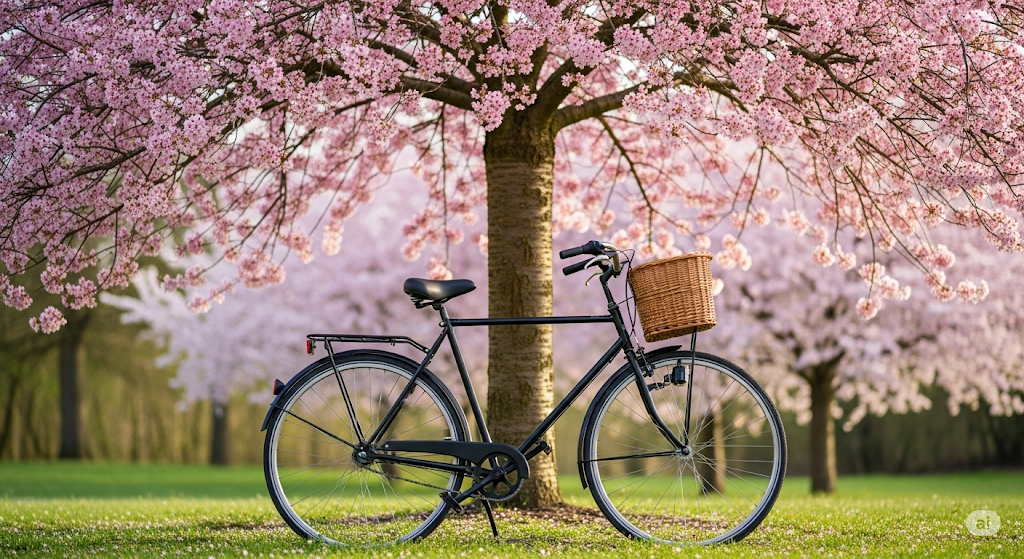
Winter is finally behind us, and with the first warm rays of sunshine many of us feel the urge to get back out on the bike. Before you enthusiastically start pedalling, though, give your bike the attention it deserves. The winter months spent in a garage or cellar may have left their mark. That is why spring maintenance is key to your safety and a trouble-free ride.
In this article we will walk you step by step through basic spring maintenance that gets your bike ready again for new adventures.
Spring bike maintenance: basic preparation and cleaning
1. Thorough cleaning:
Start with the basics – rid the bike of dust, dirt and any corrosion. All you need is warm water, a mild detergent and a soft cloth or sponge. Don't forget the frame, wheels, tyres, chain, derailleur and brakes. Of course, if some parts are particularly dirty, you can use special bike cleaners. Finally, dry the bike thoroughly.
Spring bike maintenance: checking the key components
2. Checking the tyres:
First check the tyre pressure and inflate them to the recommended value. You will usually find this information on the sidewall of the tyre. Also inspect the tyres themselves for cracks, cuts or other damage. In addition, check the tread depth, especially if you plan to ride on rougher terrain. Of course, replace the tyres if they are damaged or excessively worn.
Drivetrain, shifting and other components
3. Checking the brakes:
Safety comes first, so pay extra attention to the brakes. Check that the brake levers move smoothly and offer enough resistance. With classic rim brakes, check the condition of the brake pads and that they are adjusted correctly. With disc brakes, also check the condition of the brake pads and look for any brake fluid leaks. Of course, if you have any doubts about how your brakes work, it is better to visit a professional bike shop.
4. Checking the chain and gears:
The chain is one of the most heavily stressed parts of a bike, so check that it is clean and lubricated. If you find dirt on the chain, clean it with a special chain cleaner and brush. Then lubricate it thoroughly with a good-quality chain oil. Don't forget the chainrings and cassette either – clean them too and check the condition of the teeth. Ideally, the chain should not skip or cause other problems when shifting. If it does, you will probably need to adjust the rear or front derailleur.
5. Checking cables and housings:
Check the condition of the brake and gear cables. Make sure they are not frayed, broken or corroded. Likewise, check the cable housings and look for any damage or kinks. If the cables move stiffly or with resistance, you will probably need to lubricate or replace them.
6. Checking bolts and bearings:
Next, check all the bolted joints on the bike – on the handlebars, stem, seat post, cranks, pedals and wheels. Make sure they are tight enough, but not overtightened, so you don't damage the threads. Check for play in the wheels, bottom bracket and headset. If you feel unusual play or friction, you will probably need to grease or replace the bearings.
Safety features and the final check
7. Checking lights and reflectors:
For your safety it is important that other road users can see you clearly. Check that the front and rear lights work and replace the batteries if necessary. Also make sure all reflectors (front, rear, on the wheels and pedals) are clean and undamaged.
8. Final check and test ride:
Once you have done everything, inspect the bike thoroughly one more time. Make sure you have fitted all the parts correctly and that they work. Finally, take a short test ride in a safe place. During it, check that the brakes and gears work and that the bike is comfortable to ride.
When should you visit a bike shop?
If you are unsure about any step of spring bike maintenance, or you run into problems you can't solve yourself, don't hesitate to contact a professional bike shop. After all, professional mechanics can help with more demanding repairs and adjustments so that your bike really is in perfect condition.
As you can see, regular spring maintenance not only extends the life of your bike, but above all keeps you safe and comfortable on your rides. So don't wait – grab your tools and get your two-wheeled friend ready for a new season full of adventures! Happy riding!