Understanding Electric Scooter Battery Life: Everything You Need to Know
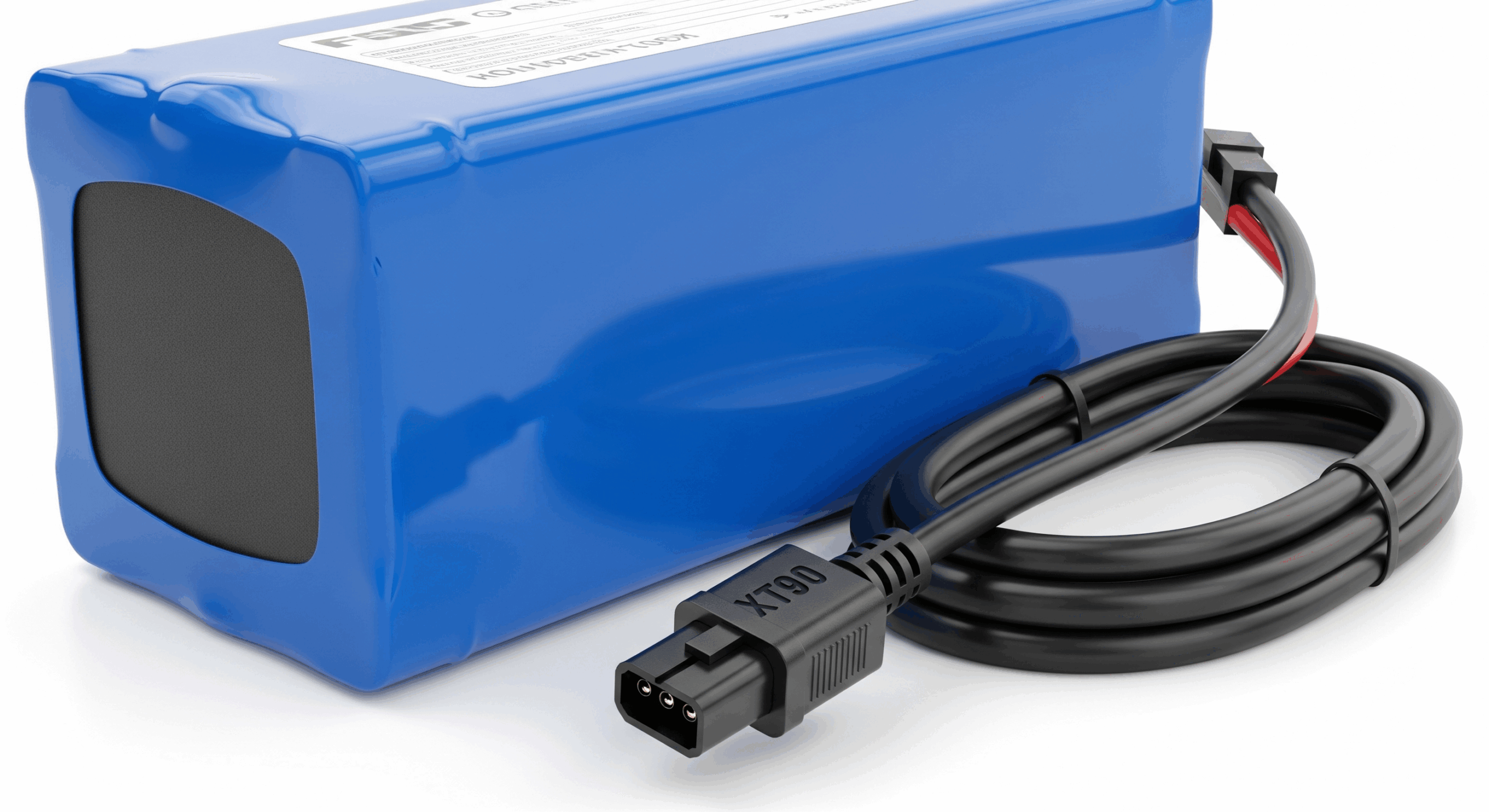
The battery is both the heart and the engine of your electric scooter. Its lifespan is one of the most important factors affecting not only range but also the overall value and usability of your machine. Why do some batteries last for years while others lose capacity after just one season?
The answer lies in a combination of quality, chemistry and – above all – how you look after it. This guide reveals the key factors that affect battery life and gives you practical tips to get the most out of it.
Factors that determine battery life
Battery life isn't just one number; it is the result of several variables.
- Quality first: Reputable battery cell manufacturers such as LG or Samsung use higher-quality materials and more precise manufacturing processes. Scooters equipped with these batteries and a sophisticated battery management system (BMS), such as the Apollo Pro, are set up for a longer and more stable life.
- Capacity and number of cycles: A bigger battery (measured in watt-hours, Wh) means longer range. But that's not all. Because you don't have to charge it as often, it goes through fewer charge cycles, which directly extends its life. Fewer charges = longer life.
- Environmental conditions: Extreme temperatures are poison for a battery. High heat speeds up its degradation, while frost temporarily reduces its performance and can damage it during charging. Humidity, in turn, can corrode the contacts.
- Your riding and charging habits: This is the factor you have full control over. Aggressive riding, frequent charging to 100% and discharging to 0% put extreme strain on the battery.
Tips to extend battery life
With the right care you can significantly extend the life of your battery.
- Avoid deep discharges: Don't regularly let the battery drop to zero. Try to charge it before it is completely flat. Shallow discharges (e.g. from 80% to 30%) are much gentler.
- Keep the battery charged: Never leave the battery completely flat for long periods. This can damage it permanently.
- Avoid extreme temperatures: Park in the shade and don't store the scooter in direct sunlight. In winter, store it indoors and never charge a frozen battery.
- Minimise fast charging: Although fast charging is convenient, it generates more heat, which harms the battery. If you have time, prefer slower, standard charging.
- Follow the manufacturer's recommendations: Every model has its own specifics. Read the manual and follow the instructions for your particular type of battery.
The danger of overcharging and choosing the right charger
- Prevent overcharging: Although most modern chargers have protection and switch off at 100%, the best practice is to unplug the charger once charging is complete. This avoids unnecessary stress on the battery and minimises the risk of overheating.
- Use the right charger: Investing in a good-quality original or certified compatible charger is crucial. Using the wrong charger can not only damage the battery but also poses a serious safety risk. Smart chargers offer additional protective features that extend battery life.
How to tell that the battery is nearing the end of its life?
Your scooter will give you clear signs that the battery is losing condition.
- Significantly shorter range: The most obvious symptom. If you travel considerably less on a single charge than before, the battery's capacity has decreased.
- Charging irregularities: Charging takes much longer than usual, or the battery indicator behaves erratically (e.g. suddenly drops from a high value).
- Voltage drop ("voltage sag"): The scooter loses power dramatically when the charge level falls below a certain threshold (e.g. 30–40%), even though it used to work normally in this range.
Correct storage out of season
If you don't use your scooter for a longer period (e.g. in winter), correct storage is essential.
- Charge the battery to around 50–60%: In this state it is chemically most stable.
- Store it in a cool, dry place: A constant room temperature is ideal.
- Disconnect it if possible: Some models, such as the RoadRunner RS5 with a removable battery, make it easy to take out.
- Check it regularly: Once every month or two, check the charge level and, if necessary, top it up briefly back to the ideal level.
By following these principles you'll make sure your battery remains a reliable source of energy for hundreds more rides and adventures.